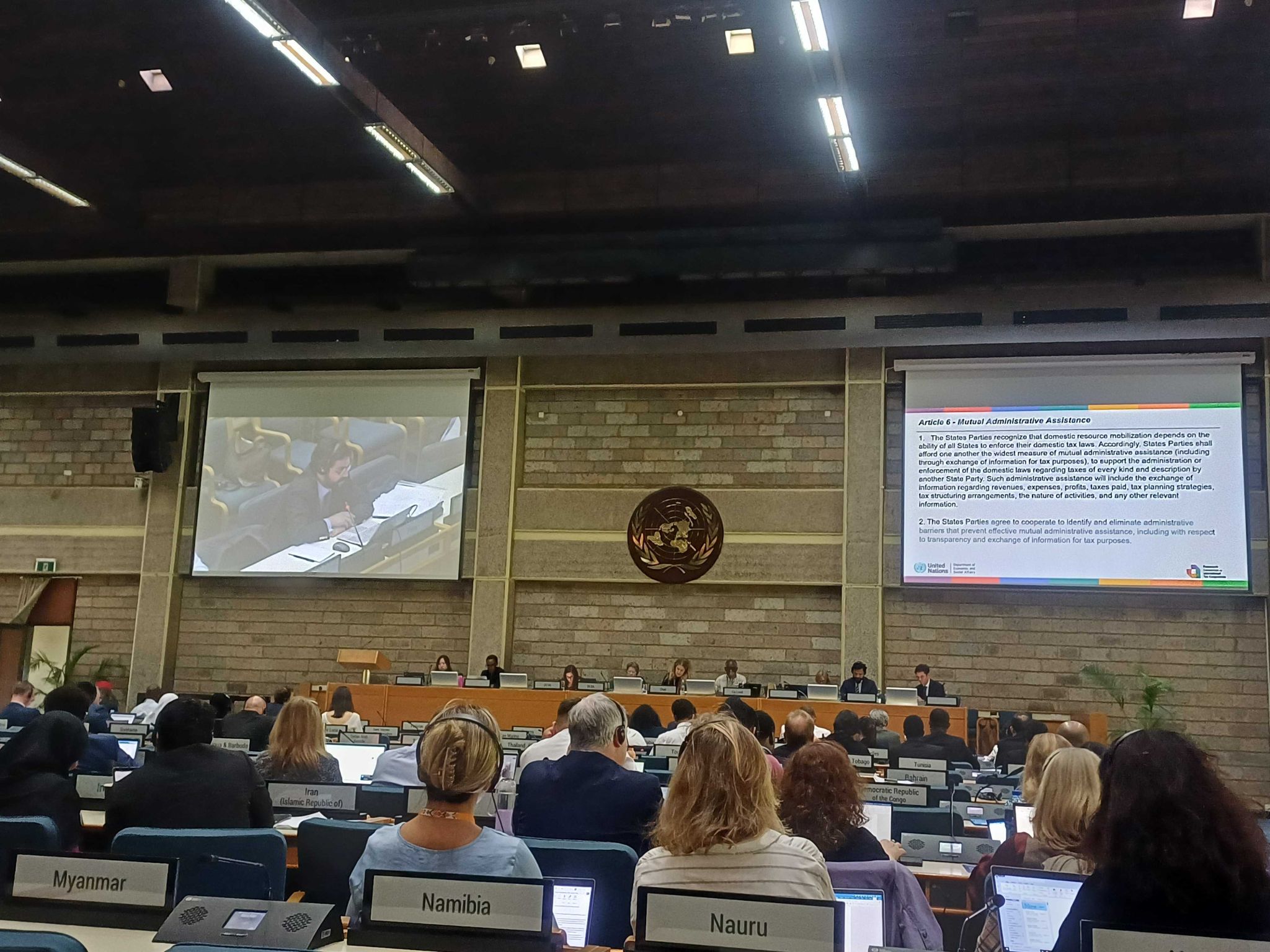
Here, we compile and share our notes and reflections from the third substantive negotiating session toward a United Nations Tax Convention (UNTC), held in Nairobi in November 2025. The discussions revealed deepening political divides over core commitments, growing tension between ambition and vagueness, and renewed clarity from African countries and other Global South delegations about what a fair international tax system requires.
Monday, November 10 – Day 1
The third session opened with a packed agenda as delegates returned to one of the Convention’s most consequential questions: how to distribute taxing rights fairly between States.
Articles 4 and 5 set the tone. Some governments, largely from the Global North, argued that commitments should remain high level and undefined to ensure a “future proof” Convention. Others warned that vague language now would delay concrete action and weaken the Convention’s purpose. The debate over wording became a proxy for political intent. Several countries pushed to replace “adopt” with “explore,” softening obligations. African countries called for shifting “business activity” to “economic activity” to better capture the realities of labor, markets and resource extraction across the Global South.
African States repeatedly emphasized a long-standing principle: taxation should follow where economic activity occurs, not only where companies are headquartered. They linked current asymmetries in taxing rights to patterns of exploitation, including the use of cheap labor and extraction of natural resources.
Concerns also arose over the role of existing double tax treaties. Some States questioned whether these agreements, many of which reproduce colonial-era imbalances, would take precedence over new commitments. Others argued that issues of treaty hierarchy belonged in separate provisions.
On Article 5, focused on high-net-worth individuals, most governments agreed that stronger taxation and transparency were needed. However, many preferred to leave substantive rules to future protocols. While several States described HNWI taxation as a domestic matter, others underscored that tax abuse by wealthy individuals is increasingly transnational and requires international cooperation.
By the close of Day 1, a core tension had emerged. States called for clarity, yet avoided specifics. That contradiction remained unresolved.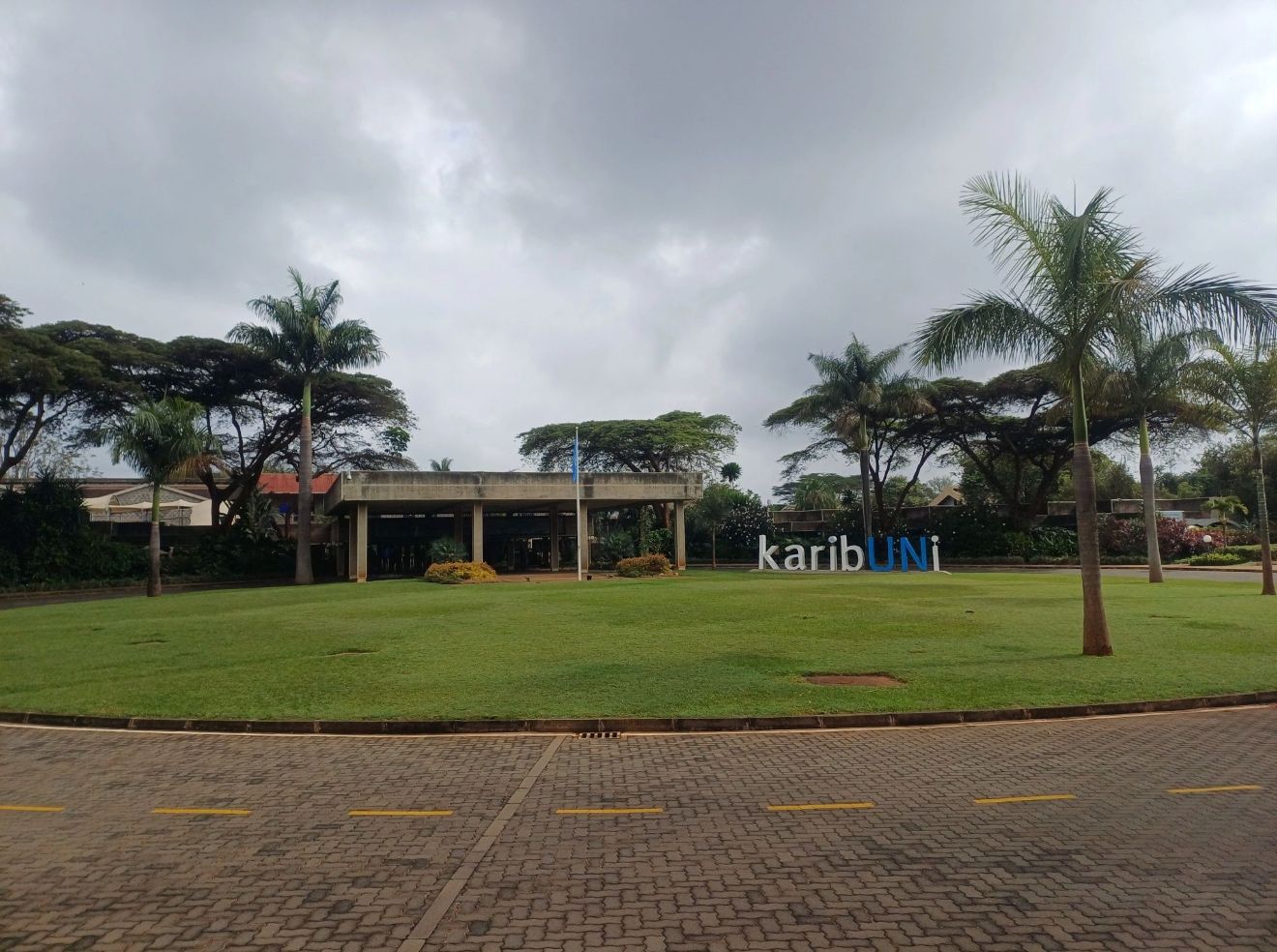
The UN's headquarters in Nairobi, Kenya.
Tuesday, November 11 – Day 2
Delegates concluded discussions on Article 5 and moved into Article 6 on transparency and administrative assistance, followed by an introduction of Article 7 on illicit financial flows, tax avoidance and tax evasion.
A persistent pattern resurfaced. Some governments favored broad, general commitments that could be interpreted later through optional protocols. This approach would shift substantive decisions into the future, raising concerns about weakening the Framework Convention.
Article 6 exposed clear divides. Zambia, speaking for the Africa Group, along with Nigeria, Ghana and others, proposed strong cooperation measures grounded in the Terms of Reference, including automatic exchange of information and support with tax collection. In contrast, Switzerland, Austria, Japan and the United Kingdom emphasized safeguards, confidentiality and reliance on existing frameworks. While framed as concerns over duplication, this approach would limit transparency and preserve the status quo.
Nigeria and Ghana pushed back, arguing that existing forums such as the Global Forum are not inclusive, have uneven participation and do not ensure effective cooperation for all States. The absence of many Global South countries from the negotiating room heightened concerns that a small group of wealthy States could shape outcomes.
Debate on Article 7 reopened questions about definitions. Some countries resisted existing UN language on illicit financial flows and sought new terms, despite previously calling for avoiding duplication. The Bahamas, joined by several EU members, argued that tax optimization should not be considered illicit. Civil society groups noted that when legal rules enable wealth to disappear across borders and undermine rights, legality alone is insufficient.
Civil society contributions, including from the Tax Justice Network, INESC and AMWA Africa, stressed the importance of automatic information exchange, beneficial ownership registries, public country-by-country reporting and clear commitments to address tax abuse by individuals and corporations.
Wednesday, November 12 – Day 3
Day 3 focused on three articles: harmful tax practices (Article 8), sustainable development (Article 9) and dispute resolution (Article 10).
Zambia, on behalf of the Africa Group, called for firm commitments to curb harmful tax practices and reform preferential regimes that erode public revenues. Nigeria, Rwanda, Uganda and Tanzania supported this position. Nigeria reminded delegates that if existing arrangements were sufficient, there would be no need for a new global Convention.
Switzerland, Japan and Singapore cautioned against duplication and resisted binding rules. Several objected to including references to a minimum tax, preferring softer formulations. Civil society organizations, including Tax Justice Africa, AIDC and Alliance Sud, urged transparency mechanisms, public reporting and commitments to prevent a race to the bottom.
Article 9 generated unexpected convergence. Countries from all regions, including the Bahamas, the United Kingdom and several EU members, supported stronger links between tax justice, sustainable development and climate and gender justice. Zambia, Brazil, Mexico and Jamaica emphasized that fair taxation is essential for financing development, public services and a just green transition. Civil society groups, including ActionAid, Greenpeace, the Office of the High Commissioner for Human Rights, youth networks and faith-based organizations, highlighted the need for tax systems that support care, equality and climate resilience.
Article 10 was approached cautiously. India rejected linking tax dispute mechanisms with trade and investment systems. Zambia and Brazil called for clarity on protocols and options. Delegates acknowledged the need for accessible and equitable approaches, but divisions persisted.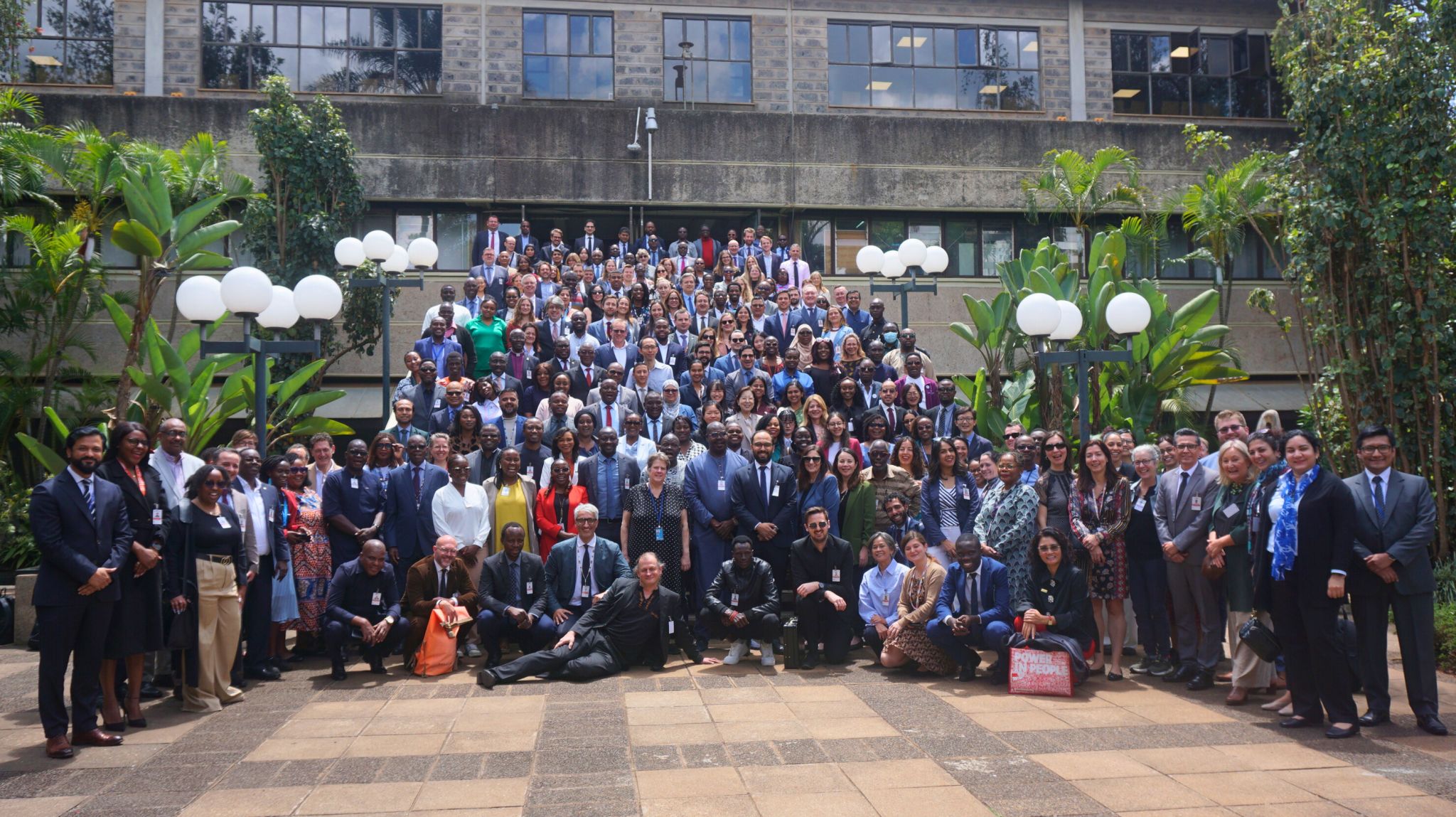
CSOs (including our Executive Director, María Ron Balsera) and UN delegates. Photo via Latindadd.
Thursday, November 13 – Day 4
Day 4 returned to three central themes of the negotiations: dispute resolution (Article 10), illicit financial flows and capacity building. Delegates sought to clarify the scope of Article 10, but significant differences surfaced. Many States agreed that the article should promote cooperation and legal certainty, yet views diverged on whether it should address only cross-border disputes or also domestic ones.
India, Zambia for the Africa Group and Brazil supported removing references to domestic disputes and called for clearer commitments. China, Mexico and Nigeria aligned with these proposals. Switzerland, Sweden and Spain cautioned against overlap with forthcoming provisions in Article 20 and urged limiting Article 10 to cross-border matters.
Civil society groups warned that vague language risks duplication and undermines accountability. They emphasized the need for dispute prevention, transparency and participation rather than costly arbitration mechanisms.
Debate on illicit financial flows showed persistent differences. India advocated for using the Sustainable Development Goal definition, which covers tax avoidance. The Bahamas opposed grouping tax avoidance with illicit flows due to differing legal implications.
Discussions on capacity building revealed broad consensus that support is not only a developing country concern. Delegates noted that even high-income countries face gaps in understanding illicit flows and tax justice. Zambia, Sierra Leone and the African Union called for a standalone article with binding and cross-cutting commitments. The United Kingdom, Portugal and Ireland highlighted the importance of predictable and tailored support.
Civil society representatives met with the Chair to express concerns about limited access and perceived low ambition. They urged bolder commitments and raised issues that some States had brought back into discussion despite having been addressed in the Terms of Reference.
By the end of the day, momentum appeared to shift. More States signaled support for Africa Group proposals, and discussions on capacity building were notably inclusive. However, calls for stronger commitments continued to face resistance.
Friday, November 14 – Day 5
Capacity building dominated the session’s fifth day. Nearly all States agreed that support should be embedded in the Convention itself, not relegated to secondary provisions. African countries and Brazil emphasized that capacity building is a right tied to equal participation in global tax governance. They called for predictable, long-term financing, access to technology and tools, and approaches led by countries rather than external actors.
Switzerland, Denmark and India supported a standalone article, with India noting that commitments should apply both broadly and within specific articles. Kenya highlighted that support must not be limited to countries labeled as “developing,” since capacity constraints vary across contexts.
Chile stressed that access to databases and software is critical, but that capacity building must be country led. Regional centers of excellence were proposed to help meet demand without imposing external models. Small Island States and least developed countries described how structural gaps in expertise exclude them from shaping global rules, making capacity building essential for participation, not only compliance.
Brazil and the United Kingdom emphasized combining institutional reform, technology and human resourcing. Morocco and Lesotho highlighted the need for sustainability so that capacity is built and retained. Russia and China supported coordinated, long-term planning. Guatemala argued for regionally informed but locally grounded models.
Civil society warned that certain forms of tech transfer or donor-driven assistance could undermine sovereignty. Chile and others insisted that support must strengthen States’ ability to regulate, not weaken it.
The day closed with a civil society photo action connecting Nairobi and Belém, and a briefing by Chile on Protocol I regarding the taxation of cross-border digital services.
November 17, 18, 19 – Days 6, 7, and 8
During the final days, negotiations returned to capacity building and moved into dispute prevention and resolution. Delegates debated the role of joint audits, advance pricing agreements and alternative mechanisms.
The most contentious issue remained arbitration. Nigeria, India and Zambia opposed its inclusion, citing high costs and risks to sovereignty. Several high-income countries maintained that arbitration should remain an option. Civil society highlighted data from UNCTAD showing that investor arbitration cases between 2015 and 2024 involved nearly 1 billion dollars in claimed amounts on average, with awards averaging 234 million dollars. These experiences were cited as warnings against replicating costly and unequal models.
Although some States defended the current transfer pricing system, they resisted transparency measures despite evidence that transfer pricing lies at the root of many disputes. Civil society and Global South delegations called for more accessible databases and deeper reforms, emphasizing that transparency is necessary to make dispute systems fair.
Underlying these debates was a fundamental question: will the Convention create a system that works for all States, or reinforce advantages held by those with extensive treaty networks and legal capacity? Civil society organizations urged delegates to address structural drivers of inequality and ensure public reporting and accountability mechanisms.
The session concluded with agreement that States would submit concrete textual proposals by December 5. The next phase will determine whether the Convention advances commitments that redistribute taxing rights, increase transparency and align international tax cooperation with sustainable development and human rights.